
The Eastern Whip-poor-will and the Chuck-will’s-widow are two bird species in the Nightjar family most often recognized by their charismatic calls. In the Illinois Wildlife Action Plan, both species were identified as species of high interest for their long-term decline largely due to reductions in their prey populations (mostly moths and beetles) and habitat loss.
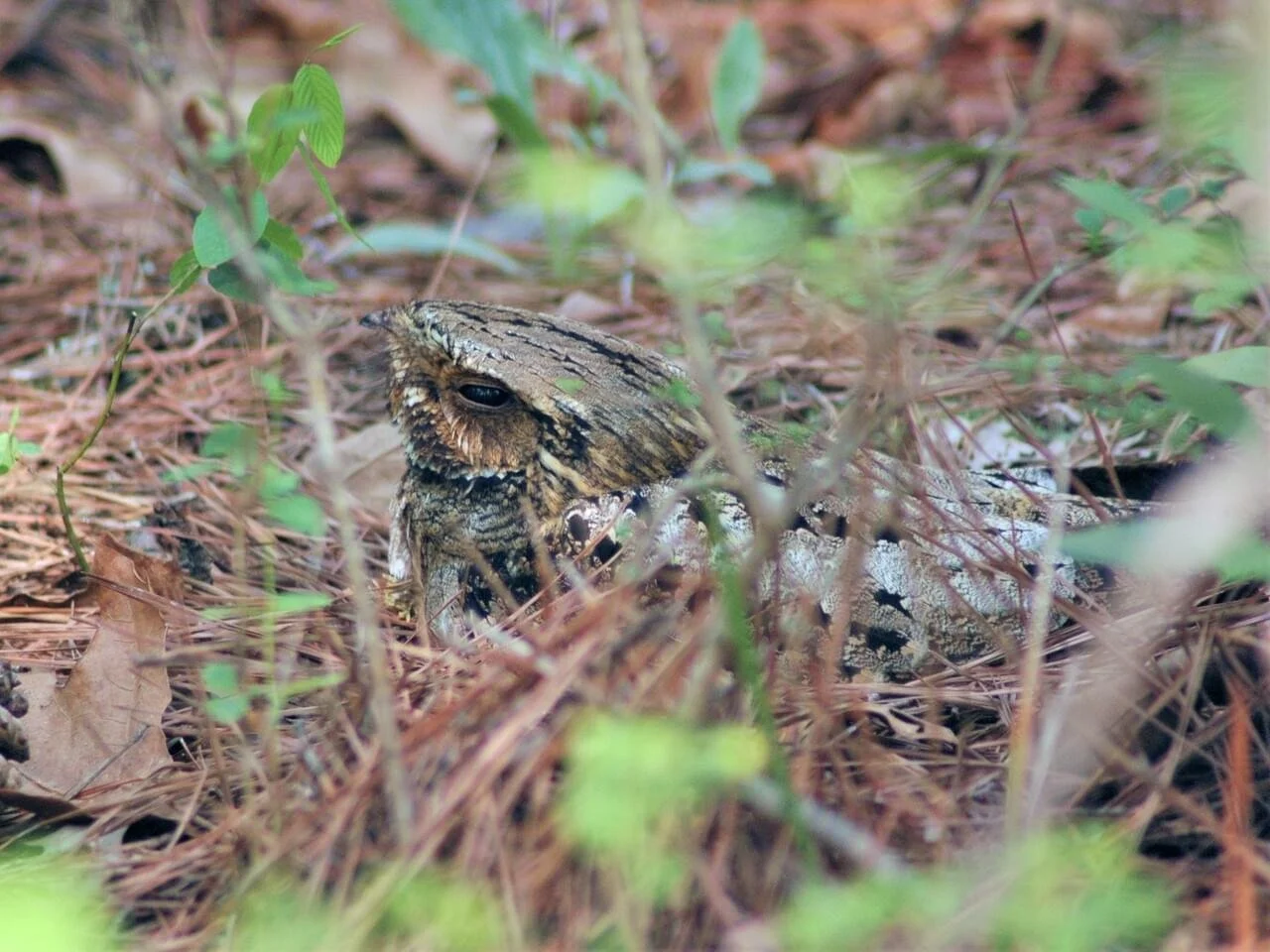
We have ongoing work with nightjars in the state. Initially, Elaine Metz led efforts to understand current environmental drivers of nightjar distribution in southern Illinois and how their distribution has changed over a 30 year period. As Eastern Whip-poor-will and Chuck-will’s-widow are both sparsely distributed, we used sound recording devices placed at over 150 different locations throughout southern Illinois to detect them. We collected over 2 Terabytes (about half a million minutes) of recordings in the summer months of May to early July 2022. We analyzed the nocturnal recordings for the presence of these birds using machine learning classifiers. We then used the recordings to understand the current distribution of both species in southern Illinois as it relates to land cover conditions and compared our results to the last systematic bird surveys in Illinois during the 1980s. (Photograph copyright: David Hollie | Macaulay Library).
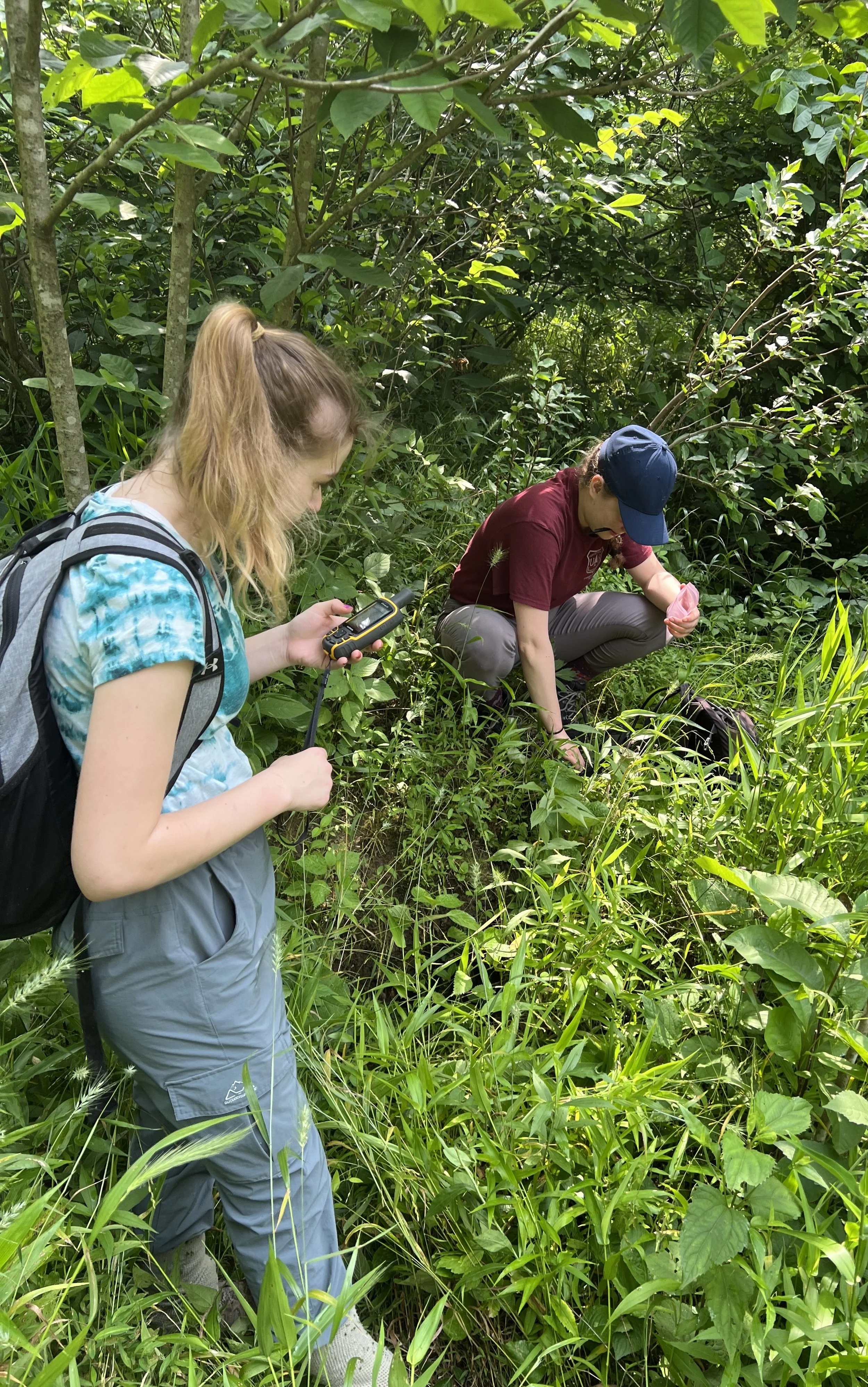
Currently, Lauren Benedict is leading a project to estimate nightjar abundance on private and public land across southern Illinois. Partnering with the Illinois Natural Heritage program, we seek to understand how fire, thinning, and treatment size affect species abundance as well as estimating prey availability on these sites. Field work for this project took place during the 2025 breeding season.